
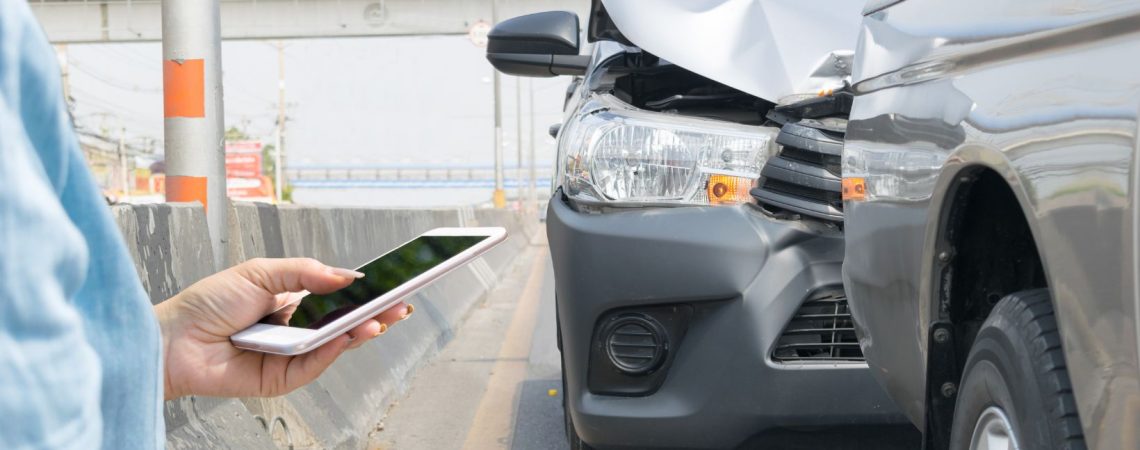
Lending your car to a friend, family member, or even a coworker is something many drivers in Ontario do without thinking twice. Whether it is a quick trip to the store or borrowing your vehicle for the day, it often feels like a simple favor.
But when an accident happens, things can quickly become confusing. Questions around car insurance, responsibility, and financial consequences come up fast, and the answers are not always as straightforward as people expect. Ontario has specific insurance rules that can catch drivers off guard if they are not prepared.
Understanding what actually happens in this situation can help you make better decisions before handing over your keys.
What Happens if Someone Else Crashes Your Car in Ontario?
If someone else crashes your car in Ontario, your auto insurance will usually cover the accident as long as they have your permission to drive. However, you are still responsible for the claim, and it can affect your insurance record and premiums.
In Ontario, insurance follows the vehicle rather than the driver. This means your policy becomes the primary coverage when your car is involved in an accident, regardless of who was behind the wheel.
Your car insurance may cover:
- Damage to your vehicle
- Damage to other vehicles or property
- Injuries and liability costs (up to your limits)
When you lend your car, you are also lending your insurance.
Does Your Car Insurance Always Cover Another Driver?
Your car insurance only covers another driver if they meet certain conditions. The most important factor is permission.
Coverage typically applies when:
- The driver had your permission to use the car
- They are legally allowed to drive in Ontario
- They are not excluded from your policy
However, coverage may be denied in situations like:
- The car was taken without your consent
- The driver is explicitly excluded on your policy
- A regular driver was not disclosed to your insurer
Failing to disclose a regular driver can be considered misrepresentation, which may result in a denied claim or cancelled policy.
Occasional vs Regular Drivers
Not all drivers are treated the same under your policy, and this distinction is important.
Occasional drivers:
- Use your car infrequently
- Are usually covered under permissive use
Regular drivers:
- Use your car often or consistently
- Must be listed on your policy
If a regular driver is not disclosed, your insurer may:
- Deny a claim
- Cancel your policy
- Refuse future coverage
Being transparent about who drives your vehicle regularly is essential.
Who Is Responsible if Someone Else Crashes Your Car?
You, as the vehicle owner, are usually responsible from an insurance perspective, even if someone else was driving.
Because the claim goes through your policy, you are responsible for:
- Paying the deductible
- Managing the claim
- Any impact on your insurance record
If damages exceed your policy limits, you could also be personally liable for the remaining costs.
The driver may still share legal responsibility depending on the situation, but your insurance is the first to respond.
How Is Fault Determined in Ontario?
Fault in Ontario is determined using standardized rules, not personal opinion.
Insurance companies use the Fault Determination Rules to assign responsibility based on how the accident happened. Drivers can be:
- Not at fault
- Partially at fault
- Fully at fault
If the person driving your car is found at fault, the accident is recorded on your policy. This can directly impact your future insurance rates.
Will Your Car Insurance Rates Increase?
Your insurance rates can increase if the accident is determined to be at fault.
Insurance companies tie risk to your policy, not just the driver. This means an at-fault accident involving your car can lead to:
- Higher premiums at renewal
- Loss of claims-free discounts
- Long-term impact on your insurance record
The increase will depend on factors such as:
- Severity of the accident
- Your past claims history
- Your insurer’s pricing model
Does the Driver’s Car Insurance Apply?
The driver’s insurance may apply in certain situations, but it does not replace your coverage.
In Ontario, a priority system is used for accident benefits:
- The driver’s insurance may cover their injuries
- Your insurance covers vehicle damage and liability
This means both policies can be involved, but your policy remains the primary coverage for the accident itself.
What Should You Do After Someone Crashes Your Car?
Taking the right steps after an accident can help protect your claim and reduce complications.
Here is what to do:
- Make sure everyone is safe and call emergency services if needed
- Report the accident to police if required
- Collect information from all drivers and witnesses
- Take photos of the scene and damage
- Contact your insurance provider as soon as possible
You should be ready to provide:
- Details about the driver
- A description of the accident
- Any supporting documentation
Acting quickly helps your insurer process the claim more efficiently.
Protect Yourself Before You Lend Your Car
Lending your car to someone else comes with more responsibility than many drivers realize. In Ontario, your insurance follows your vehicle, which means you are directly impacted if something goes wrong.
Permission plays a critical role in whether coverage applies, and failing to properly disclose regular drivers can create serious risks. Even if you are not behind the wheel, an at-fault accident can affect your premiums, your driving record, and your financial liability.
Before handing over your keys, it is important to think beyond the short-term convenience and consider the long-term impact on your car insurance and protection.
If you are unsure whether your current policy fully protects you, or you are exploring better coverage options, contact Will Marshall Insurance Brokers today. Our team can review your policy, explain your options clearly, and help you find coverage that fits your needs with confidence.