
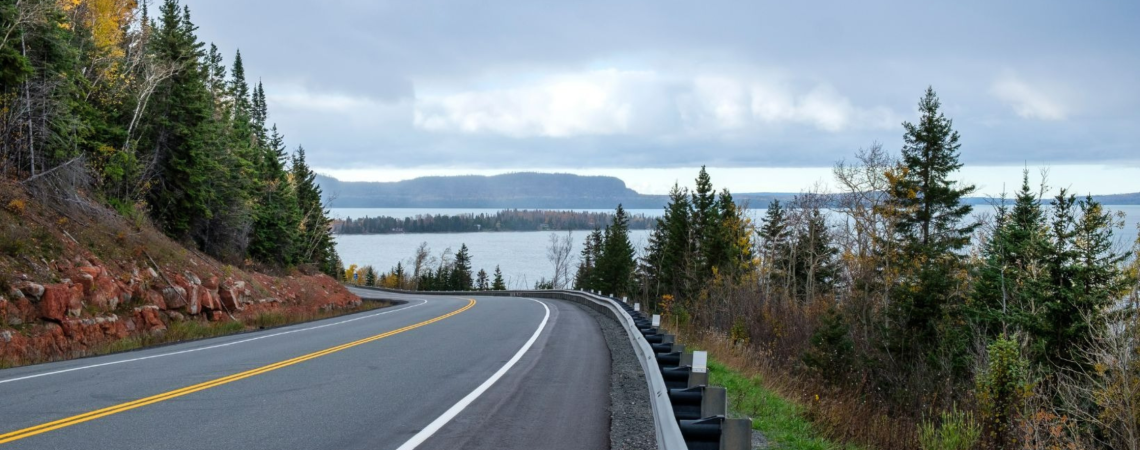
Ontario summers are made for road trips. Between weekends at the cottage, drives to provincial parks, lakeside camping, small-town exploring, and longer getaways with family or friends, there are plenty of reasons to pack the car and head out on the road.
Before you leave for a summer road trip in Ontario, a little planning can make the experience smoother, safer, and more enjoyable. It’s not just about choosing the destination. It’s also about making sure your vehicle is ready, your route is planned, your gear is packed properly, and your insurance is up to date before you leave the driveway.
Whether you are driving to Muskoka, heading toward the Bruce Peninsula, visiting Prince Edward County, camping near Georgian Bay, or taking the RV out for a longer trip, here are some practical ways to prepare.
Plan Your Route Before You Leave
A good Ontario road trip starts with a plan. Summer travel can mean busy highways, construction delays, cottage traffic, campground check-in times, and unexpected detours. Even if you know the route well, it’s still worth checking conditions before you head out.
Look at your route ahead of time and make note of rest stops, fuel stations, food options, and alternate roads. If you are travelling with children, pets, or older family members, plan breaks before everyone gets tired or uncomfortable. A little extra time in the schedule can make the drive feel much less rushed.
It’s also a good idea to check for road closures, construction, collisions, or traffic delays before you leave. This is especially helpful on popular summer routes, long weekend travel days, and drives through cottage country.
Check Your Vehicle Before A Long Drive
Your vehicle works harder during a summer road trip. Long drives, hot weather, heavy packing, stop-and-go traffic, and towing can all add strain. Before leaving, take time to check the basics.
Start with your tires. Make sure they have enough tread and are inflated to the recommended pressure. Check your brakes, headlights, brake lights, turn signals, windshield wipers, washer fluid, oil, coolant, and battery. If your air conditioning has been struggling, have it looked at before a long drive.
If your vehicle has not been serviced recently, booking a maintenance appointment before your trip can be a smart move. It’s much better to find a small issue before you leave than to deal with a breakdown on the side of the highway.
Also, be mindful of how much you pack. Overloading your vehicle can affect braking, handling, visibility, and fuel efficiency. Keep heavier items low and secure so they do not shift while you are driving.
Pack A Summer Road Trip Emergency Kit
Even a well-planned trip can come with surprises. A traffic delay, flat tire, dead battery, or sudden storm can turn a simple drive into a stressful situation if you are not prepared.
A basic road trip emergency kit should include bottled water, non-perishable snacks, a first aid kit, flashlight, extra batteries, phone charger or power bank, jumper cables, blanket, basic tools, tire pressure gauge, and any important medications. It is also helpful to keep copies of important documents in an easy-to-access place.
For longer drives or trips to more remote areas, consider packing extra water, bug spray, sunscreen, paper towels, garbage bags, and a small cooler. If you are travelling with kids or pets, add anything they may need during an unexpected stop.
You may never need the kit, but if something does happen, you will be glad it is there.
Prepare Your Trailer RV Boat or ATV
If your summer road trip in Ontario includes a trailer, RV, boat, ATV, or other recreational vehicle, there are a few extra checks to make before leaving.
For trailers and RVs, check the hitch connection, safety chains, trailer brakes, brake lights, signal lights, tire pressure, wheel bearings, battery, propane systems, awnings, and exterior compartments. Make sure everything is secure before you start driving.
If you are towing a boat or transporting an ATV, check the tie-downs, trailer lights, tires, safety equipment, and any required documents. Take a few minutes to inspect straps, locks, storage areas, and connections at each longer stop.
Towing changes how your vehicle handles. You may need more time to stop, more space to turn, and extra care when changing lanes or backing up. Give yourself more room than usual and avoid rushing.
Review Your Auto And Recreational Insurance
Insurance may not be the most exciting part of road trip planning, but it’s one of the most important. Before you leave, review your auto insurance to make sure your policy is active, accurate, and suited to your travel plans.
Check that your vehicle information is correct, your listed drivers are up to date, and you understand your coverage, deductibles, and limits. If you are driving outside Ontario or lending your vehicle to someone else, it is worth speaking with your insurance broker before the trip.
If you are travelling with a camping trailer, RV, boat, ATV, or other recreational vehicle, review your recreational insurance as well. Coverage can vary depending on the vehicle type, how it is used, where it is stored, and what policy you have in place.
Recreational insurance may help protect against unexpected issues such as damage, theft, vandalism, fire, storm damage, collision, liability concerns, or towing-related incidents. However, every policy is different. That is why it is helpful to ask questions before your trip, not after something happens.
A quick insurance review can give you more confidence before you hit the road.
Pack Smart And Secure Your Belongings
Summer road trips often involve a lot of gear. Camping equipment, coolers, bikes, water toys, electronics, tools, clothing, sports equipment, and outdoor supplies can fill a vehicle quickly.
Pack in a way that keeps items secure and does not block your view. Avoid leaving valuables visible when you stop for food, fuel, or sightseeing. If you are bringing bikes, kayaks, trailers, boats, or roof storage, make sure everything is locked or properly secured.
It is also worth asking your broker how personal belongings are treated under your existing policies. Some people assume everything in their vehicle, trailer, or RV is automatically covered, but that is not always the case. A quick conversation can help clarify what protection you have and where there may be gaps.
Prepare For Ontario Summer Weather
Ontario summer weather can change quickly. A sunny drive can turn into heavy rain, strong wind, hail, or thunderstorms, especially near lakes, campgrounds, and cottage areas.
Check the forecast before leaving and keep an eye on it during your trip. If severe weather is expected, consider adjusting your travel time or route. For RV and trailer owners, secure awnings, outdoor furniture, and loose campsite items before wind or storms arrive.
Boaters and ATV riders should also check weather conditions before heading out. Conditions can shift quickly on the water or on trails, and it is always better to delay an outing than to take unnecessary risks.
Drive Safely And Take Breaks
A road trip should feel enjoyable, not exhausting. Summer highways can be busy, especially around long weekends, construction zones, and popular travel destinations.
Get enough rest before leaving and take breaks along the way. Switch drivers if possible, avoid distractions, and leave extra space between vehicles. If you are towing a trailer or driving an RV, give yourself even more room to brake and turn.
Watch for cyclists, pedestrians, motorcycles, wildlife, and sudden slowdowns. Patience goes a long way during summer travel.
Final Road Trip Checklist
Before you leave, run through a quick checklist:
- Check tires, brakes, lights, fluids, and battery
- Confirm your route and alternate routes
- Check road conditions and weather
- Pack an emergency kit
- Secure luggage and recreational gear
- Review your auto insurance
- Review recreational insurance for your trailer, RV, boat, ATV, or other recreational vehicle
- Bring ownership, registration, and insurance documents
- Confirm campground, cottage, marina, or accommodation details
- Share your travel plans with someone if you are heading somewhere remote
A few minutes of preparation can help prevent stress later.
Get Ready Before You Hit The Road
A summer road trip should feel exciting, not stressful. Taking the time to plan your route, check your vehicle, pack the right supplies, and secure your gear can make a big difference once you are on the road. It helps you avoid preventable problems and gives you more time to enjoy the places you are travelling to.
Insurance is part of that preparation too. Before your next trip, make sure your auto insurance is up to date and that you understand the coverage you have in place. If your summer plans include towing a trailer, driving an RV, bringing an ATV, or taking a boat to the lake, it is also a good time to review your recreational insurance.
Will Marshall Insurance Brokers can help you explore auto insurance and recreational insurance options that fit the way you travel. If you already have coverage with us, our team can help you review your policy before your next trip. If you are looking for coverage for a car, trailer, RV, boat, ATV, or other recreational vehicle, contact Will Marshall Insurance Brokers before your next Ontario road trip.